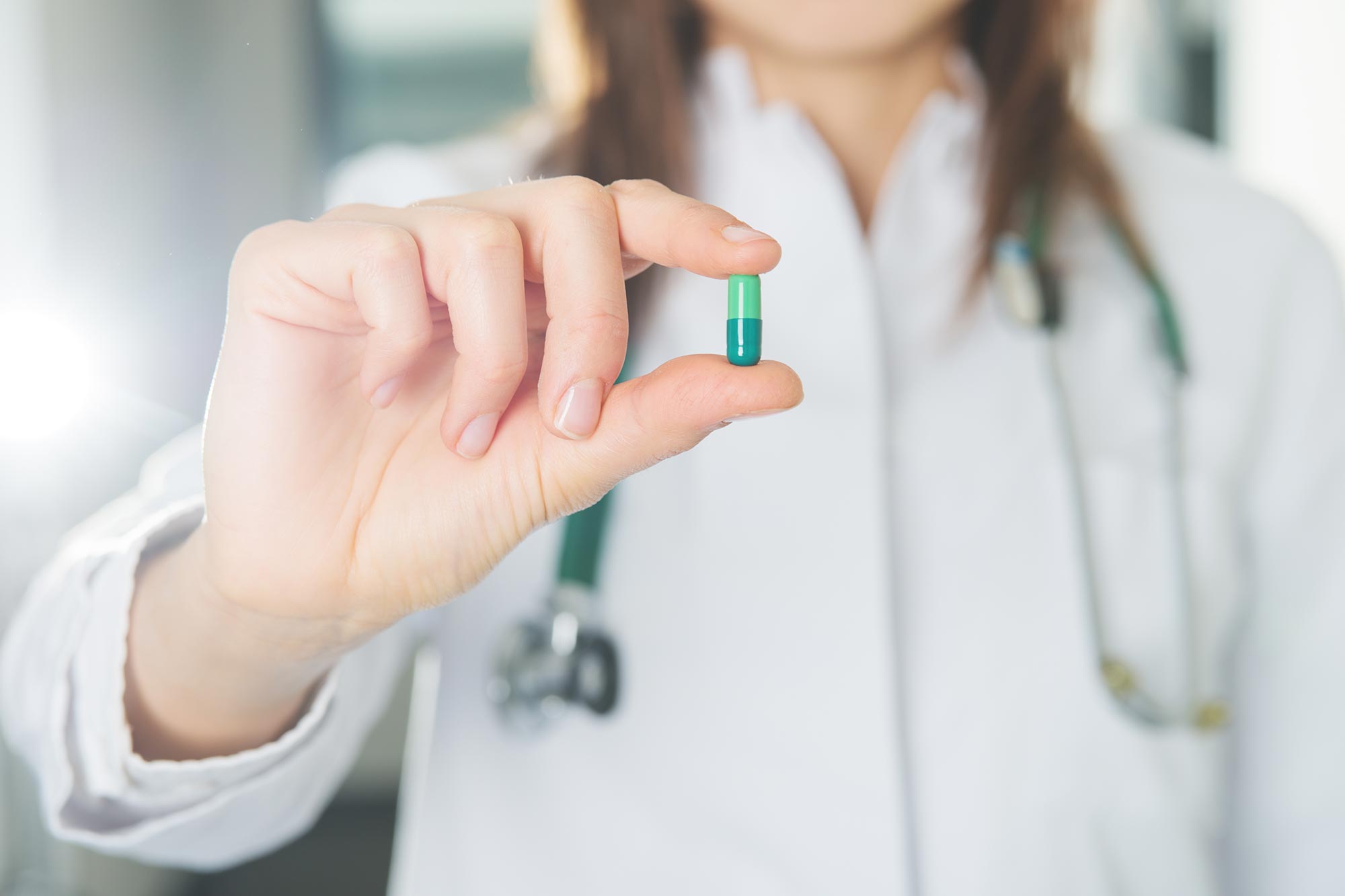







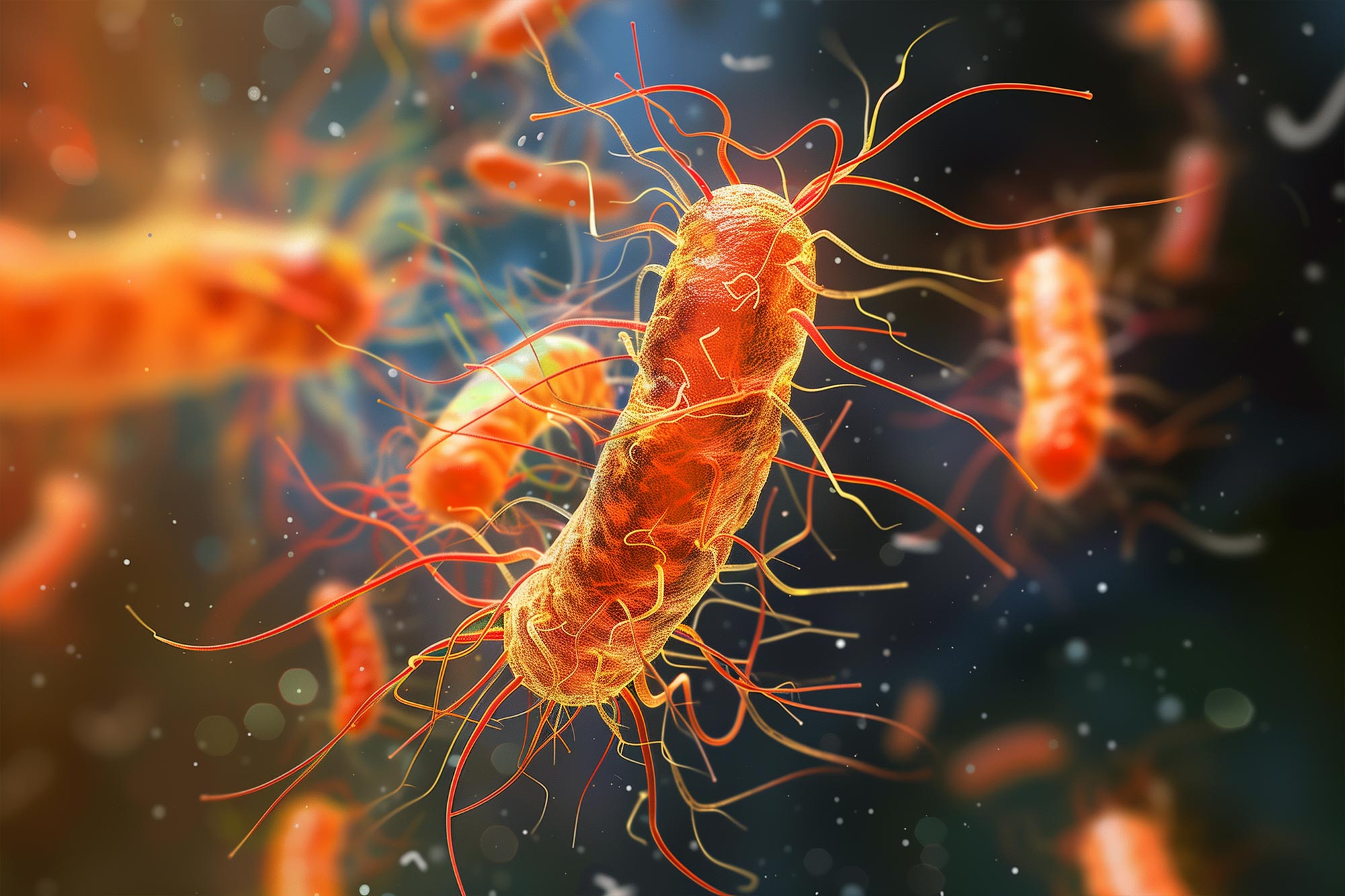
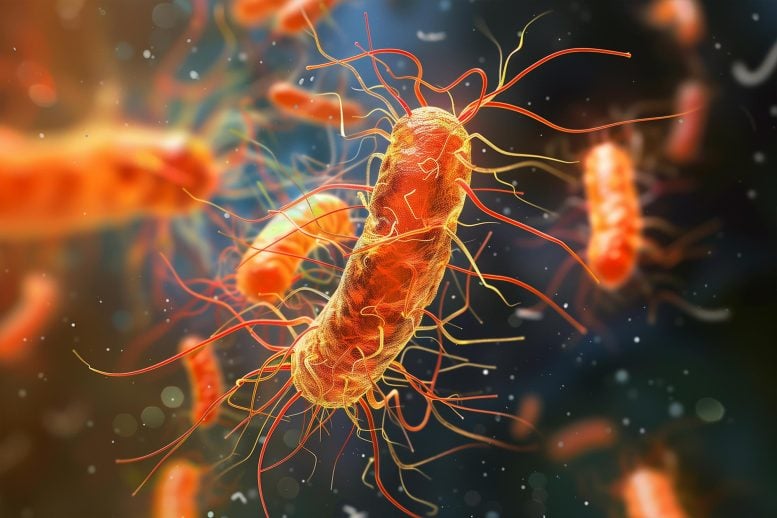
A low-dose antibiotic developed in Leiden may stop C. difficile infections more effectively by targeting the pathogen while preserving the gut microbiome.
Researchers in Leiden have developed a new antibiotic called EVG7 that can combat the dangerous gut bacterium C. difficile using only a very small dose. The treatment also sharply reduces the chances that the infection will come back, a common problem with current antibiotics. The findings were reported in Nature Communications.
C. difficile is a stubborn intestinal bacterium that can cause serious disease, especially in older adults and people with weakened health. It releases toxins that trigger severe diarrhea, and existing treatments often fail to provide a lasting cure because the infection frequently returns.
The newly developed antibiotic EVG7, created by Professor Nathaniel Martin’s research group at the Institute of Biology Leiden (IBL), offers a potential alternative. EVG7 is a modified and more powerful version of the widely used antibiotic vancomycin.
“With existing antibiotics, C. difficile can reappear just weeks after treatment,” says researcher and lead author Elma Mons. One reason is that the bacterium can form spores that survive treatment and later grow into new bacteria, causing the infection to return.
Much lower dose, yet more effective
Mons and her colleagues tested EVG7 in mice infected with C. difficile. Because the drug is far more potent than vancomycin, they were able to use a much smaller dose. The results showed that the infection was much less likely to recur. Lower doses of vancomycin did not produce the same benefit, and surprisingly, higher doses of EVG7 were also less effective. The study found that a low dose of EVG7 provided the most successful outcome.
To understand why, the researchers examined the microbiome of the treated mice: the collection of bacteria living in their intestines. They found that mice given a low dose of EVG7 retained far more beneficial bacteria (from the Lachnospiraceae family). “Those bacteria actually protect against C. difficile,” says Mons.
In other words, while existing treatments tend to kill many bacteria essential for good health, a low dose of EVG7 leaves most of them intact. These beneficial bacteria help prevent the infection from recurring by keeping residual spores from growing into harmful C. difficile bacteria. “That approach fits a growing trend among doctors to preserve the microbiome as much as possible,” Mons explains
Lower risk of resistance
In theory, using lower antibiotic doses can promote resistance. “That happens when you don’t completely kill the bacteria but merely irritate them,” Mons says. “They can then come back stronger.” That’s not the case with EVG7: even a low dose is strong enough to kill C. difficile effectively. Moreover, EVG7 appears less prone to inducing resistance.
Mons hopes that sufficient funding will become available for the next stages of development. After the required toxicity studies, the drug could be tested in humans within a few years. “But that means finding investors,” she adds. “For antibiotics, that’s not easy. Pharmaceutical companies make far less profit on them than on, say, cancer drugs, so interest is limited.”
Still, the researchers hope that EVG7 will eventually top the list of treatments for C. difficile. “If a patient relapses and needs another hospital admission, that’s costly too,” Mons points out.
Reference: “Experimental glycopeptide antibiotic EVG7 prevents recurrent Clostridioides difficile infection by sparing members of the Lachnospiraceae family” by Elma Mons, Jannie G. E. Henderickx, Ingrid M. J. G. Sanders, Anusca G. Rader, Caroline E. Perkins, Florence M. Stel, Emma van Groesen, Wiep Klaas Smits, Casey M. Theriot and Nathaniel I. Martin, 10 October 2025, Nature Communications.
DOI: 10.1038/s41467-025-64067-w
This work was funded in part by the Netherlands Organization for Scientific Research (NWO NACTAR); grants number 18504 (N.I.M.) and 20813 (N.I.M.). The authors acknowledge the Netherlands Donor Feces Bank for kindly providing a stool sample from which bacterial strains were isolated.
Never miss a breakthrough: Join the SciTechDaily newsletter.
Follow us on Google and Google News.